



LANDMARK ASSOCIATES GENERAL CONTRACTING

More Than a Contractor. A Partner You Can Trust.

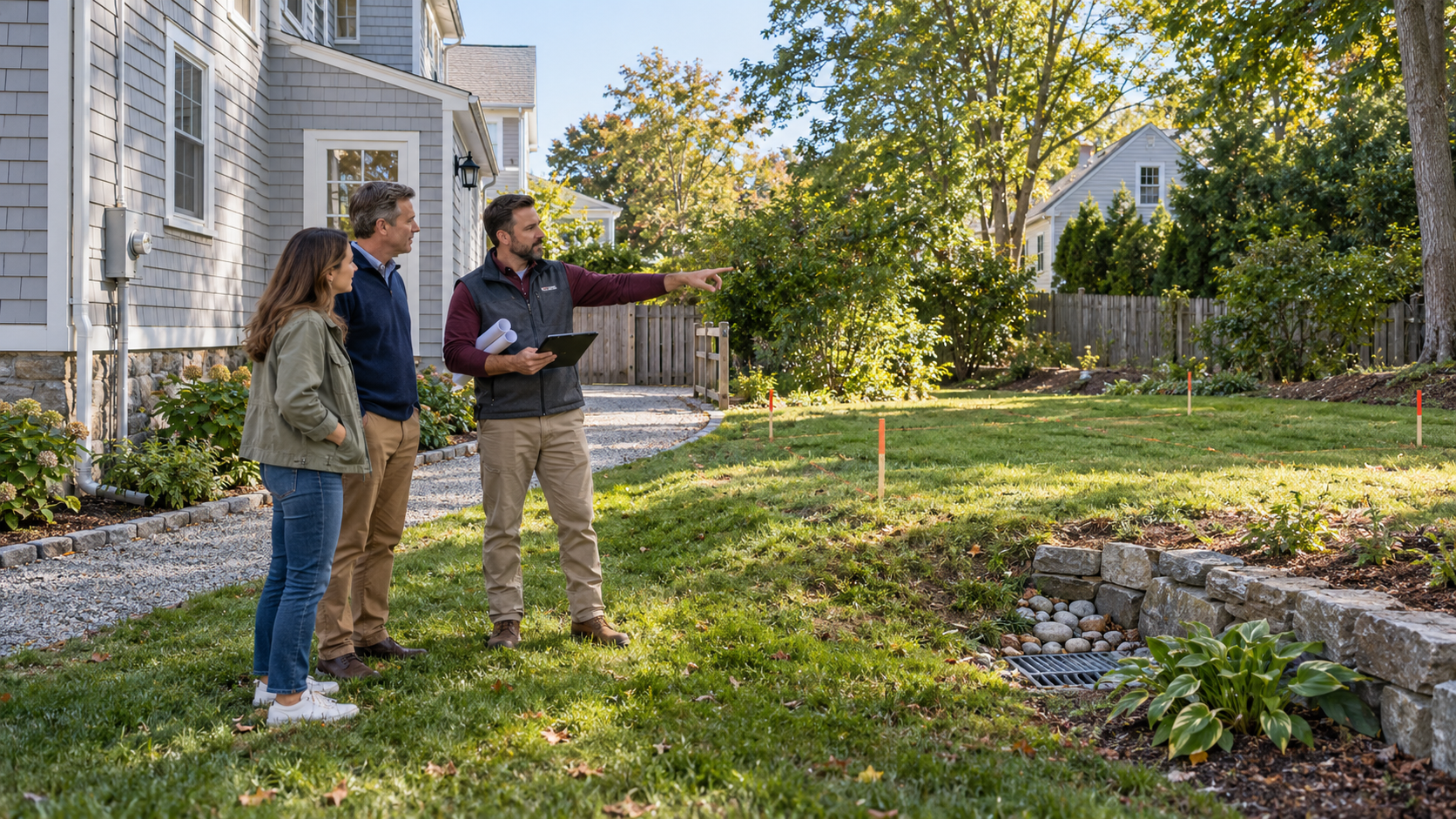
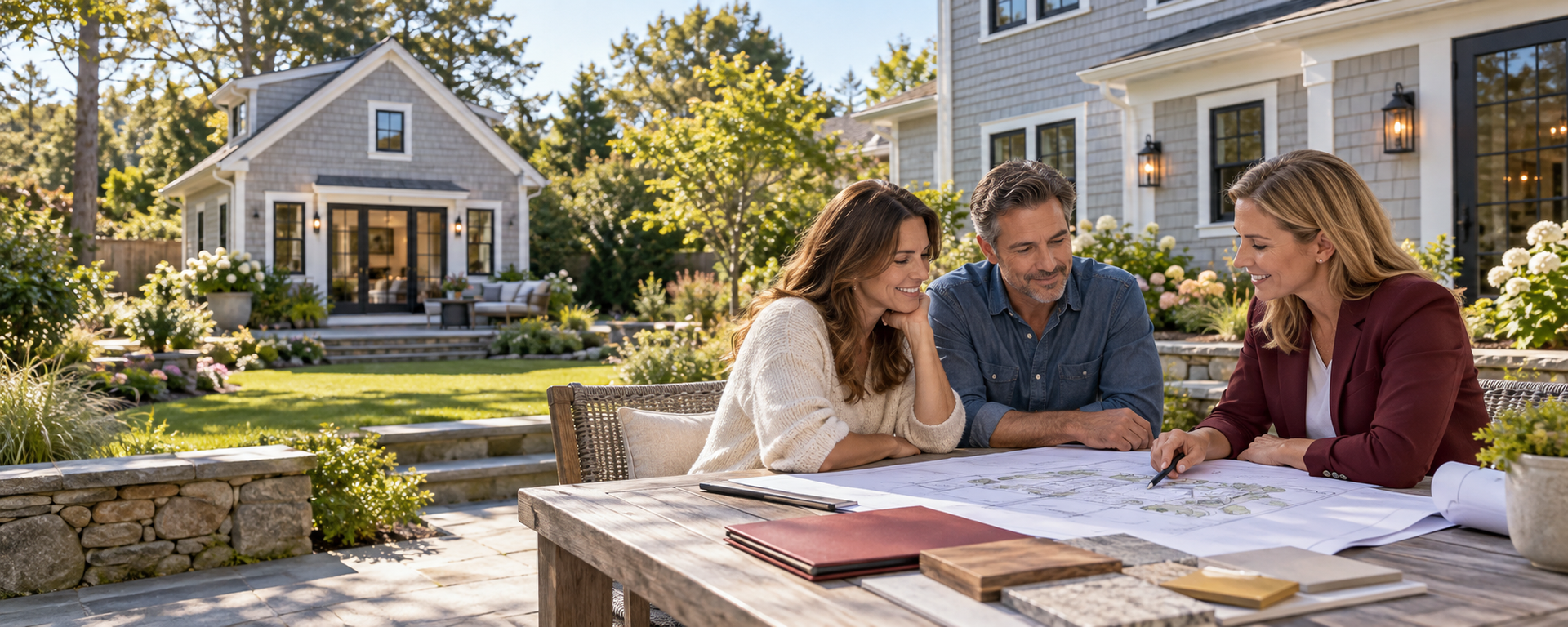
Work with a contractor who has a proven track record of building with purpose and precision. Whether it’s a commercial buildout, a multifamily capital improvement, or a custom home renovation, we deliver peace of mind, not just finished projects.


Expertise That Meets You Where You Are

You have enough on your plate and don't need "overseeing a construction project" on your to-do list. We give clear timelines, daily communication, and budget certainty for commercial build-outs, homeowners, property managers and multi-family developers.


Every client is unique, but all want the same thing: a smooth, successful project from start to finish.

Commercial Clients


Office, Retail, Medical, Hospitality,

and more.

Multi-Family Developers & Property Managers

Capital Improvements, Renovations, Maintenance Programs.


Residential Clients


Custom Homes, Kitchens, Bathrooms, Additions.

Featured Projects

This is paragraph text. Click it or hit the Manage Text button to change the font, color, size, format, and more. To set up site-wide paragraph and title styles, go to Site Theme.

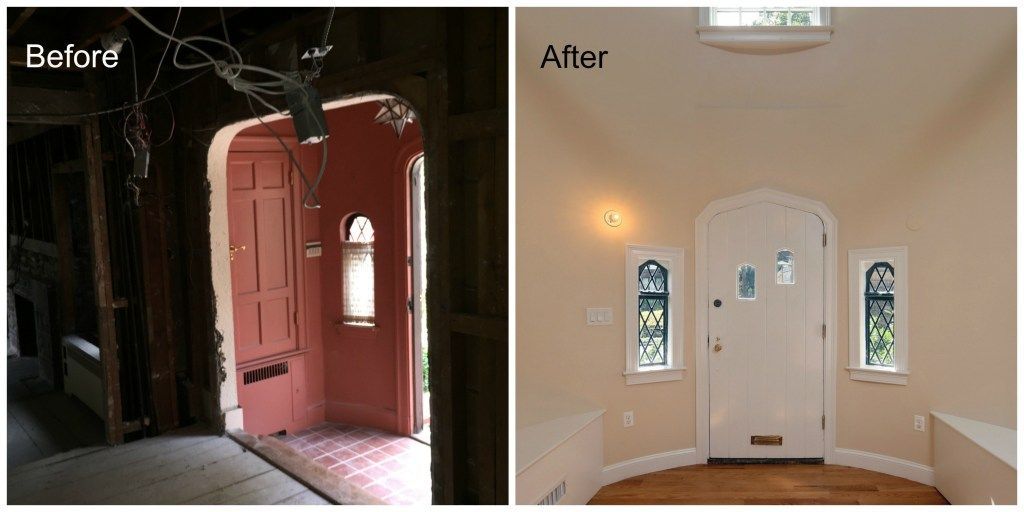
Before-and-after of a doorway renovation. The before shows a dilapidated doorway; the after shows a newly renovated one.

This is paragraph text. Click it or hit the Manage Text button to change the font, color, size, format, and more. To set up site-wide paragraph and title styles, go to Site Theme.

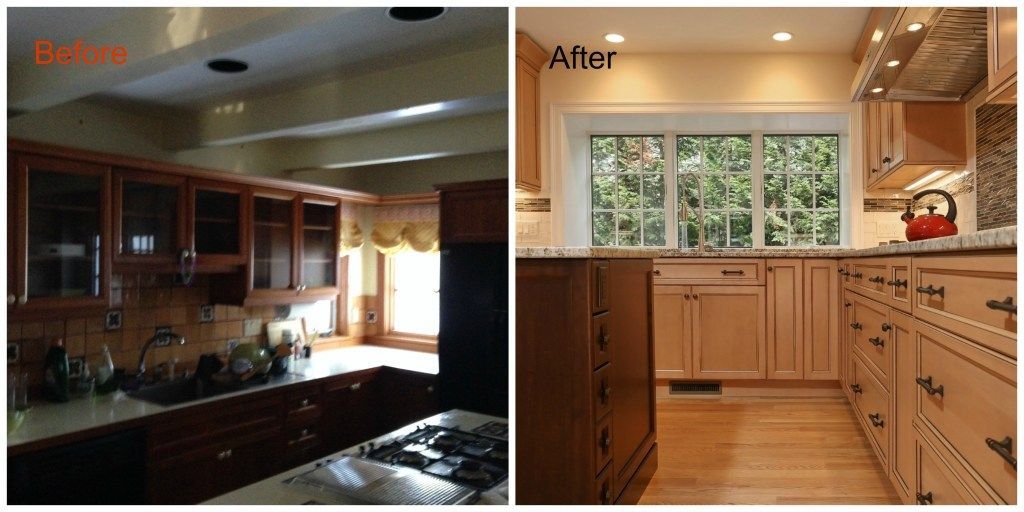
Before and after photos of a kitchen remodel. Dark cabinets replaced with light cabinets, brighter lighting.

This is paragraph text. Click it or hit the Manage Text button to change the font, color, size, format, and more. To set up site-wide paragraph and title styles, go to Site Theme.

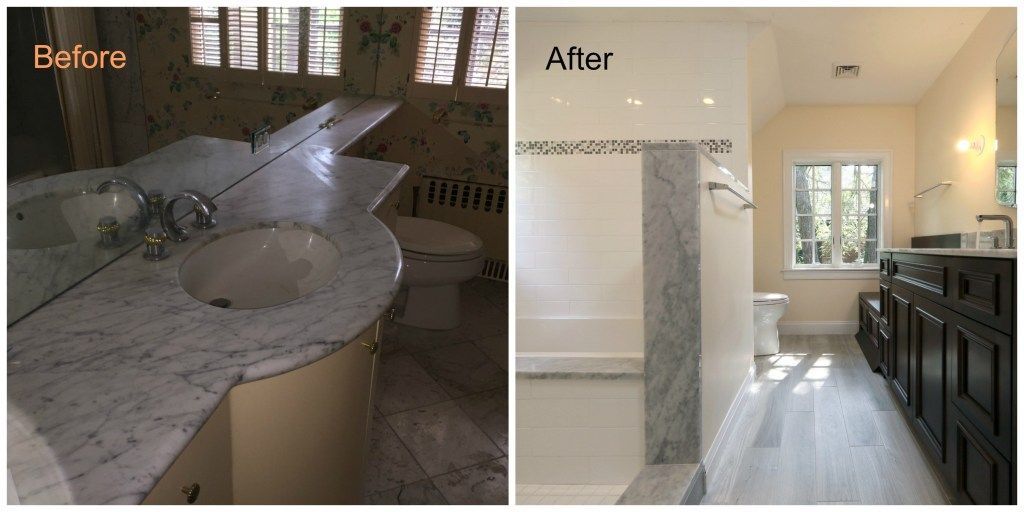
Bathroom renovation before and after: Old bathroom with ornate sink, new bathroom with modern vanity.

This is paragraph text. Click it or hit the Manage Text button to change the font, color, size, format, and more. To set up site-wide paragraph and title styles, go to Site Theme.

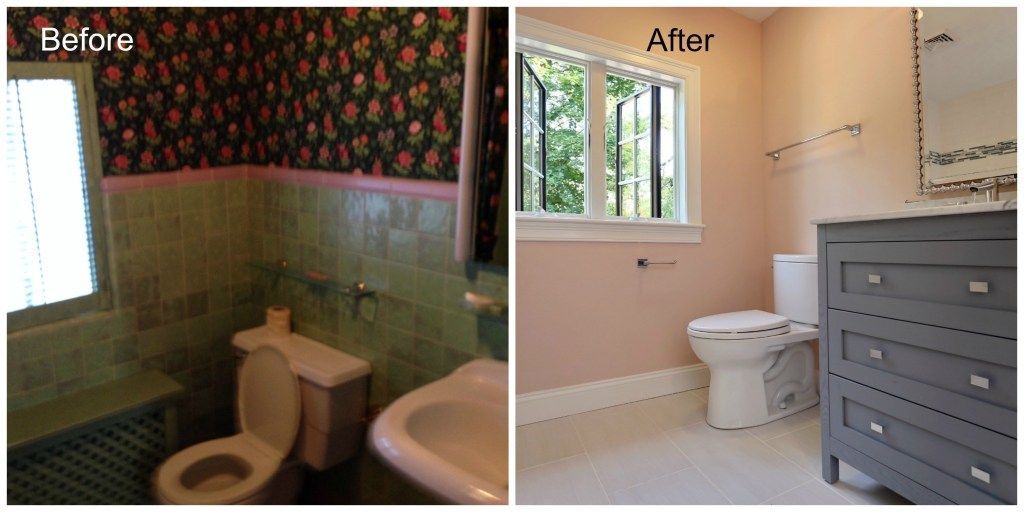
Bathroom remodel: before (dark floral wallpaper, green tile) and after (pink walls, white trim, gray vanity).

What Our Clients Say

Two men looking at empty shelves; one has a beard, the other gestures with his hand.

Allen G.

Restaurant Owner

Left double quotation mark.

"It’s rare to find a contractor this organized, communicative, and committed to quality."

Opening double quotation marks.

"Landmark handled our tenant fit-out with precision and kept us informed every step. Seamless experience."

Dave B.

Property Manager

Man holding a black coffee cup, smiling at the camera, inside a cafe.
Quotation mark symbol.

"When our home flooded, Landmark not only rebuilt it, but helped us navigate the entire insurance claim. They gave us back our home and our peace of mind."

Nancy W.

Homeowner

Older couple holding mugs, looking out window. Man in red hat, brown sweater; woman in white shirt, overalls.

Learn more about us.

Built for Confidence. Driven by Values.


Certificate icon with target symbol.

Fully Licensed & Insured

Your investment is protected from day 1.

Consistent Communication

Two overlapping speech bubbles.

No surprises. Daily updates keep you informed.


Local Expertise

Specialists in New England’s unique commercial and residential construction needs.

Person icon with shield, checkmark, and gear icon.

Reliable Trade Partners

Trusted professionals who uphold exacting standards.

Person icon with three gear icons.

Dedicated Project Manager

A single point of contact from start to finish.

Quality Craftsmanship

Every detail matters. Our quality speaks for itself.

Let's build something remarkable together.

Tell us about your project, big or small, and we’ll help you take the next best step.

Resources

By Caroline Brodsky June 19, 2026
Building an Accessory Dwelling Unit (ADU) can be one of the most valuable improvements you make to your property. Whether you're creating space for family members, generating rental income, building a home office, or increasing property value, an ADU offers flexibility that many homeowners find attractive. However, the most successful ADU projects begin long before construction starts. Careful planning, realistic budgeting, and understanding your property's limitations can save significant time, money, and frustration later in the process. Before moving forward, here are five important questions every homeowner should answer. 1. Is My Property Suitable for an ADU? Every ADU project starts with determining whether your property can accommodate the type of structure you envision. Factors that may affect feasibility include: * Lot size and dimensions * Existing structures and setbacks * Local zoning regulations * Easements and utility locations * Topography and grading conditions * Access requirements * Parking considerations (where applicable) A professional site assessment can identify potential challenges early and help determine which ADU options are realistic for your property. 2. What Will Utilities Require? Utilities are one of the most overlooked aspects of ADU planning. Your project may require evaluation of: * Electrical service capacity * Water connections * Sewer connections * Stormwater drainage systems * Gas service requirements * Utility easements In some cases, utility upgrades can represent a significant portion of project costs. Understanding these requirements early helps prevent unexpected expenses later in the design and permitting process. 3. What Is My Budget? Many homeowners focus only on construction costs, but a complete ADU budget should include: * Site evaluation and feasibility studies * Architectural and engineering services * Permit fees * Utility upgrades * Construction costs * Landscaping and site restoration * Project management and inspections * Contingency funds for unforeseen conditions Having a realistic budget from the beginning allows you to make informed decisions about size, design, and project scope. 4. What Are My Long-Term Goals? The best ADU designs are driven by how the space will be used. Ask yourself: * Will the ADU house aging parents or adult children? * Is it intended as a long-term rental? * Will it serve as a guest house? * Do you need a home office or studio? * Could your needs change over time? Understanding your goals helps guide design decisions, floor plans, accessibility features, and future flexibility. 5. Who Will Guide the Process? Building an ADU involves much more than construction. A successful project often requires coordination between: * Planning departments * Building officials * Architects and designers * Engineers * Contractors * Utility providers Working with an experienced team can help streamline the process, reduce delays, and ensure that important details are addressed before they become costly problems. Additional Considerations Homeowners Often Overlook Understanding Local Regulations ADU regulations vary by municipality and continue to evolve. Requirements related to setbacks, height limits, lot coverage, and occupancy can significantly impact what is possible on your property. Early review of local regulations can help avoid costly redesigns later. Project Timeline Expectations Many homeowners underestimate how long an ADU project can take. While every project is unique, the overall process often includes: 1. Feasibility assessment 2. Design development 3. Permit review and approval 4. Construction 5. Final inspections and occupancy approval Starting with a clear roadmap helps establish realistic expectations from the beginning. Return on Investment An ADU can provide value in multiple ways: * Increased property functionality * Additional living space * Potential rental income * Enhanced resale appeal * Multi-generational housing opportunities Evaluating both financial and lifestyle benefits can help determine whether an ADU aligns with your long-term plans. The Value of Early Planning Many project delays and budget overruns stem from issues discovered after design work begins. Site constraints, utility requirements, permitting challenges, and regulatory limitations are often easier—and less expensive—to address during the planning phase than after plans have been developed. Early due diligence creates a smoother path from concept to completion. Start with a Professional Assessment Before investing in design or construction, take the time to understand what's possible on your property. Landmark Associates helps homeowners evaluate site conditions, identify potential challenges, and understand the steps required to move an ADU project forward with confidence. Contact Landmark Associates today to schedule a property assessment and learn what comes first before investing in your ADU project.
By Caroline Brodsky June 17, 2026
Massachusetts' new ADU law is creating opportunities for homeowners to add living space, support family members, and generate rental income. Before you build, make sure your property is ready
By Caroline Brodsky June 16, 2026
Accessory Dwelling Units (ADUs) are receiving more attention than ever across Massachusetts. Recent changes to state housing policy have made it easier for many homeowners to explore adding an ADU to their property. Whether you're considering space for family members, creating a private home office, or adding long-term flexibility to your property, these changes have created new opportunities worth understanding. The question many homeowners are asking is: "What do the new ADU rules mean for my property? " The answer depends on more than just state regulations. Every property has unique conditions, and understanding those factors early can help you avoid costly surprises later. Why ADUs Are Becoming More Popular An Accessory Dwelling Unit is a smaller secondary living space located on the same property as a primary residence. Homeowners are exploring ADUs for a variety of reasons: Housing for aging parents Space for adult children Private guest accommodations Dedicated home offices Potential rental opportunities Long-term property flexibility As housing costs continue to rise throughout Massachusetts, ADUs are increasingly viewed as a practical way to maximize existing property value and functionality. What Has Changed? Massachusetts has taken steps to encourage the creation of additional housing options, including ADUs. While these changes may make ADUs more accessible in certain situations, homeowners should understand that state regulations are only one piece of the puzzle. Important considerations still include: Lot size and property layout Utility capacity Building code requirements Site access Drainage considerations Existing structures Local permitting requirements Simply put, a regulatory change does not automatically mean every property is ready for an ADU. Every Property Is Different One of the most common misconceptions we hear is: "The law changed, so I can build an ADU now." In reality, successful ADU projects begin with evaluating the property itself. Questions that should be answered early include: Does the Property Have Adequate Space? Site conditions, setbacks, and existing structures all impact feasibility. Will Utility Upgrades Be Required? Water, sewer, electrical, and drainage systems may need modifications depending on the scope of the project. What Construction Challenges Exist? Sloped lots, limited access, older infrastructure, and environmental considerations can influence project costs and timelines. What Permits Will Be Needed? Permit requirements vary based on project type, location, and existing property conditions. Why Early Planning Matters The most successful ADU projects start with planning—not construction. A professional feasibility review can help identify: Potential obstacles Cost considerations Utility requirements Design opportunities Permit pathways By understanding these factors upfront, homeowners can make informed decisions before investing in plans or construction. How Landmark Helps Homeowners Navigate the Process At Landmark Associates, we believe every successful project begins with a clear understanding of what is possible. Our team evaluates site conditions, identifies potential challenges, and helps homeowners understand the practical realities of their project before construction begins. We focus on what matters most: Clear communication Thorough planning Realistic expectations Reliable project execution Our goal is simple: help homeowners move forward with confidence. Ready to Explore Your ADU Options? If you're wondering how Massachusetts' changing ADU regulations may affect your property, start with a professional assessment. The right information today can help prevent costly surprises tomorrow. Schedule a consultation with Landmark Associates to learn whether your property may be a good candidate for an Accessory Dwelling Unit and what steps should come next.
By Caroline Brodsky June 9, 2026
Learn why summer is the best time for deck replacements, exterior restoration, and structural repairs. See how Landmark Associates transformed an aging multi-family deck system into a safer, longer-lasting asset.

Planning a project?

Start with the right info. Explore our resources hub.

Stack of coins in front of a blurred clock. Focus is on the silver coins, hinting at wealth and time.

Financing & Insurance Help

Worker on lift repairing roof of a brick building with orange tile roof.

Project Planning Process

Hands reviewing documents on a desk with a laptop, plant, and notepad in view.

ADA & Compliance Tips

Trusted Across the Industries We Serve

Proud members of leading organizations supporting property management, housing, and the commercial building industry throughout New England.

Latest News

By Caroline Brodsky June 19, 2026
Building an Accessory Dwelling Unit (ADU) can be one of the most valuable improvements you make to your property. Whether you're creating space for family members, generating rental income, building a home office, or increasing property value, an ADU offers flexibility that many homeowners find attractive. However, the most successful ADU projects begin long before construction starts. Careful planning, realistic budgeting, and understanding your property's limitations can save significant time, money, and frustration later in the process. Before moving forward, here are five important questions every homeowner should answer. 1. Is My Property Suitable for an ADU? Every ADU project starts with determining whether your property can accommodate the type of structure you envision. Factors that may affect feasibility include: * Lot size and dimensions * Existing structures and setbacks * Local zoning regulations * Easements and utility locations * Topography and grading conditions * Access requirements * Parking considerations (where applicable) A professional site assessment can identify potential challenges early and help determine which ADU options are realistic for your property. 2. What Will Utilities Require? Utilities are one of the most overlooked aspects of ADU planning. Your project may require evaluation of: * Electrical service capacity * Water connections * Sewer connections * Stormwater drainage systems * Gas service requirements * Utility easements In some cases, utility upgrades can represent a significant portion of project costs. Understanding these requirements early helps prevent unexpected expenses later in the design and permitting process. 3. What Is My Budget? Many homeowners focus only on construction costs, but a complete ADU budget should include: * Site evaluation and feasibility studies * Architectural and engineering services * Permit fees * Utility upgrades * Construction costs * Landscaping and site restoration * Project management and inspections * Contingency funds for unforeseen conditions Having a realistic budget from the beginning allows you to make informed decisions about size, design, and project scope. 4. What Are My Long-Term Goals? The best ADU designs are driven by how the space will be used. Ask yourself: * Will the ADU house aging parents or adult children? * Is it intended as a long-term rental? * Will it serve as a guest house? * Do you need a home office or studio? * Could your needs change over time? Understanding your goals helps guide design decisions, floor plans, accessibility features, and future flexibility. 5. Who Will Guide the Process? Building an ADU involves much more than construction. A successful project often requires coordination between: * Planning departments * Building officials * Architects and designers * Engineers * Contractors * Utility providers Working with an experienced team can help streamline the process, reduce delays, and ensure that important details are addressed before they become costly problems. Additional Considerations Homeowners Often Overlook Understanding Local Regulations ADU regulations vary by municipality and continue to evolve. Requirements related to setbacks, height limits, lot coverage, and occupancy can significantly impact what is possible on your property. Early review of local regulations can help avoid costly redesigns later. Project Timeline Expectations Many homeowners underestimate how long an ADU project can take. While every project is unique, the overall process often includes: 1. Feasibility assessment 2. Design development 3. Permit review and approval 4. Construction 5. Final inspections and occupancy approval Starting with a clear roadmap helps establish realistic expectations from the beginning. Return on Investment An ADU can provide value in multiple ways: * Increased property functionality * Additional living space * Potential rental income * Enhanced resale appeal * Multi-generational housing opportunities Evaluating both financial and lifestyle benefits can help determine whether an ADU aligns with your long-term plans. The Value of Early Planning Many project delays and budget overruns stem from issues discovered after design work begins. Site constraints, utility requirements, permitting challenges, and regulatory limitations are often easier—and less expensive—to address during the planning phase than after plans have been developed. Early due diligence creates a smoother path from concept to completion. Start with a Professional Assessment Before investing in design or construction, take the time to understand what's possible on your property. Landmark Associates helps homeowners evaluate site conditions, identify potential challenges, and understand the steps required to move an ADU project forward with confidence. Contact Landmark Associates today to schedule a property assessment and learn what comes first before investing in your ADU project.
By Caroline Brodsky June 17, 2026
Massachusetts' new ADU law is creating opportunities for homeowners to add living space, support family members, and generate rental income. Before you build, make sure your property is ready
By Caroline Brodsky June 16, 2026
Accessory Dwelling Units (ADUs) are receiving more attention than ever across Massachusetts. Recent changes to state housing policy have made it easier for many homeowners to explore adding an ADU to their property. Whether you're considering space for family members, creating a private home office, or adding long-term flexibility to your property, these changes have created new opportunities worth understanding. The question many homeowners are asking is: "What do the new ADU rules mean for my property? " The answer depends on more than just state regulations. Every property has unique conditions, and understanding those factors early can help you avoid costly surprises later. Why ADUs Are Becoming More Popular An Accessory Dwelling Unit is a smaller secondary living space located on the same property as a primary residence. Homeowners are exploring ADUs for a variety of reasons: Housing for aging parents Space for adult children Private guest accommodations Dedicated home offices Potential rental opportunities Long-term property flexibility As housing costs continue to rise throughout Massachusetts, ADUs are increasingly viewed as a practical way to maximize existing property value and functionality. What Has Changed? Massachusetts has taken steps to encourage the creation of additional housing options, including ADUs. While these changes may make ADUs more accessible in certain situations, homeowners should understand that state regulations are only one piece of the puzzle. Important considerations still include: Lot size and property layout Utility capacity Building code requirements Site access Drainage considerations Existing structures Local permitting requirements Simply put, a regulatory change does not automatically mean every property is ready for an ADU. Every Property Is Different One of the most common misconceptions we hear is: "The law changed, so I can build an ADU now." In reality, successful ADU projects begin with evaluating the property itself. Questions that should be answered early include: Does the Property Have Adequate Space? Site conditions, setbacks, and existing structures all impact feasibility. Will Utility Upgrades Be Required? Water, sewer, electrical, and drainage systems may need modifications depending on the scope of the project. What Construction Challenges Exist? Sloped lots, limited access, older infrastructure, and environmental considerations can influence project costs and timelines. What Permits Will Be Needed? Permit requirements vary based on project type, location, and existing property conditions. Why Early Planning Matters The most successful ADU projects start with planning—not construction. A professional feasibility review can help identify: Potential obstacles Cost considerations Utility requirements Design opportunities Permit pathways By understanding these factors upfront, homeowners can make informed decisions before investing in plans or construction. How Landmark Helps Homeowners Navigate the Process At Landmark Associates, we believe every successful project begins with a clear understanding of what is possible. Our team evaluates site conditions, identifies potential challenges, and helps homeowners understand the practical realities of their project before construction begins. We focus on what matters most: Clear communication Thorough planning Realistic expectations Reliable project execution Our goal is simple: help homeowners move forward with confidence. Ready to Explore Your ADU Options? If you're wondering how Massachusetts' changing ADU regulations may affect your property, start with a professional assessment. The right information today can help prevent costly surprises tomorrow. Schedule a consultation with Landmark Associates to learn whether your property may be a good candidate for an Accessory Dwelling Unit and what steps should come next.